


 Back To Previous
Slow Travel Starts Before You Pack: Planning a More Meaningful Trip to Juneau
Wednesday, July 29, 2026 4:00 PM by Cindee Brown-Mills, Breathe-Alaska
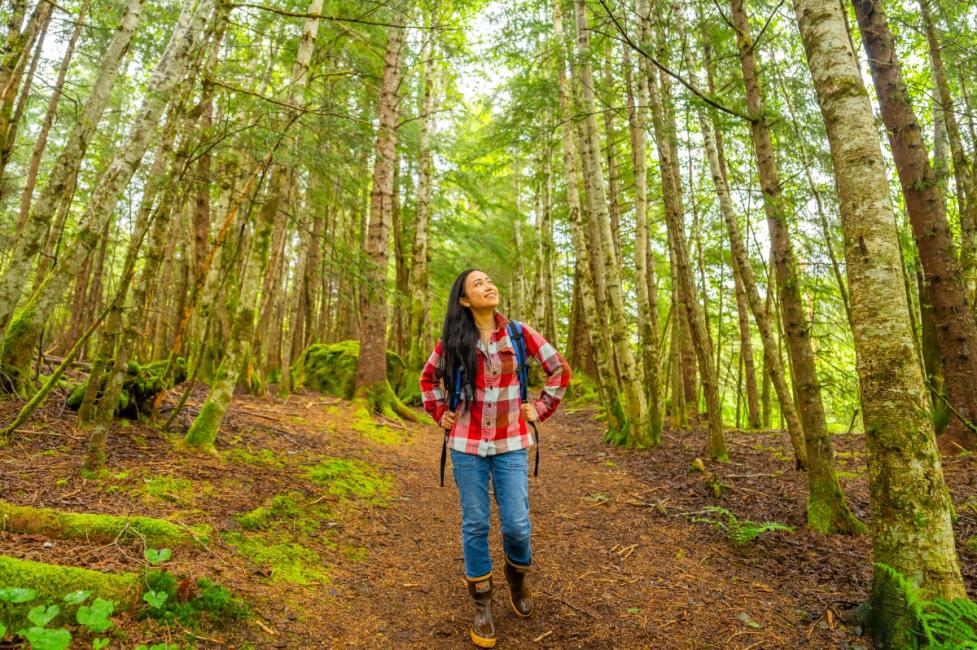
Open your browser and you'll find endless lists telling you what you "have to" see, where you should eat, and how many attractions you can squeeze into a single day. It's easy to feel like the more you accomplish, the better your vacation will be.
But a growing number of travelers are discovering something different. Instead of asking, How much can I fit into my trip? they're asking, How deeply can I experience the place I'm visiting?
That's the idea behind slow travel, a growing movement that encourages travelers to trade packed itineraries for meaningful experiences. It's not about moving slowly or doing less. It's about being intentional with your time and creating space to genuinely connect with the places you visit.
The concept has its roots in the Slow Food movement that began in Italy in the 1980s. Just as Slow Food encourages people to savor local ingredients, traditions, and community rather than rushing through a meal, slow travel invites us to experience a destination instead of simply passing through it. More recent tourism research also suggests that travelers are increasingly seeking experiences that offer emotional connection, restoration, and a sense of place rather than simply checking attractions off a list.
If there were ever a destination designed for slow travel, it's Juneau.
One of the first things visitors notice is that you can't simply drive here. Juneau is accessible only by air or sea, something that immediately sets it apart from most destinations. There isn't a highway leading in or out of town. Arriving here requires you to cross water or fly over mountains, and somehow that changes your mindset before your vacation even begins. You aren't just passing through. You've landed somewhere truly different.
Then there's the landscape itself.
Juneau sits within the Tongass National Forest, the largest intact temperate rainforest in the world and the largest national forest in the United States. Towering Sitka spruce and western hemlock surround the city. Moss blankets the forest floor. Glaciers spill down from the Coast Mountains into the sea. More than 80 percent of Southeast Alaska lies within the Tongass, where people have lived alongside these forests and waters for thousands of years.
Long before Juneau became Alaska's capital, the Lingít (Tlingit) people developed a deep relationship with this land and its waters. Their knowledge, traditions, and stewardship continue to shape Southeast Alaska today. Taking time to learn about the Indigenous history of the place you're visiting isn't just an educational experience. It's one of the most meaningful ways to understand where you are and appreciate the stories that have been unfolding here for generations.
Nature has a way of setting the pace here, too.
The tides rise and fall every day. Salmon return to the streams each season. Eagles circle overhead while humpback whales surface offshore. The weather changes by the hour, and sometimes your plans change with it. Rather than fighting those rhythms, Juneau invites you to settle into them.
That's where slow travel begins.
Instead of rushing from one attraction to the next, give yourself permission to linger. Sit on a bench overlooking Gastineau Channel and watch the boats come and go. Walk a forest trail without worrying about how quickly you reach the end. Pause to notice the smell of cedar after a rain or listen to the sound of a raven echoing through the trees. Strike up a conversation with a local artist or shop owner. Ask questions. Be curious.
Those moments may not make your itinerary. But they'll often become the moments you remember.
When you're planning your visit, try leaving a little white space on your calendar. It may feel strange at first, especially if you're used to maximizing every vacation day. But some of the best travel memories happen when there's room for the unexpected. Maybe you spend an extra half hour watching whales feed in the distance. Maybe you discover a quiet beach you hadn't planned to visit. Maybe a conversation changes the way you see Alaska altogether.
It's easy to come to Juneau hoping to see everything. The glaciers. The wildlife. The rainforest. The history. The food.
And while those experiences are certainly worth seeking out, don't forget to leave room to simply be here. Because years from now, you probably won't remember how many stops you made in a single day. You'll remember how you felt standing beneath towering spruce trees. You'll remember the stillness before a whale surfaced. You'll remember the smell of the rainforest after the rain. You'll remember the feeling of realizing that, for a little while, you weren't thinking about what came next. You were exactly where you needed to be.

Author: Cindee Brown-Mills, Breathe-Alaska
Through Breathe Alaska, I share accessible, science-backed breathwork, mindfulness, and nature-based practices that help people reduce stress, build resilience, and reconnect with greater clarity and ease. Wellbeing is not a luxury, but a practice that can be woven into everyday life, one breath at a time.