


 Back To Previous
Quick Guide to Hiking Safety in Juneau
Thursday, June 25, 2026 3:30 PM by Travel Juneau
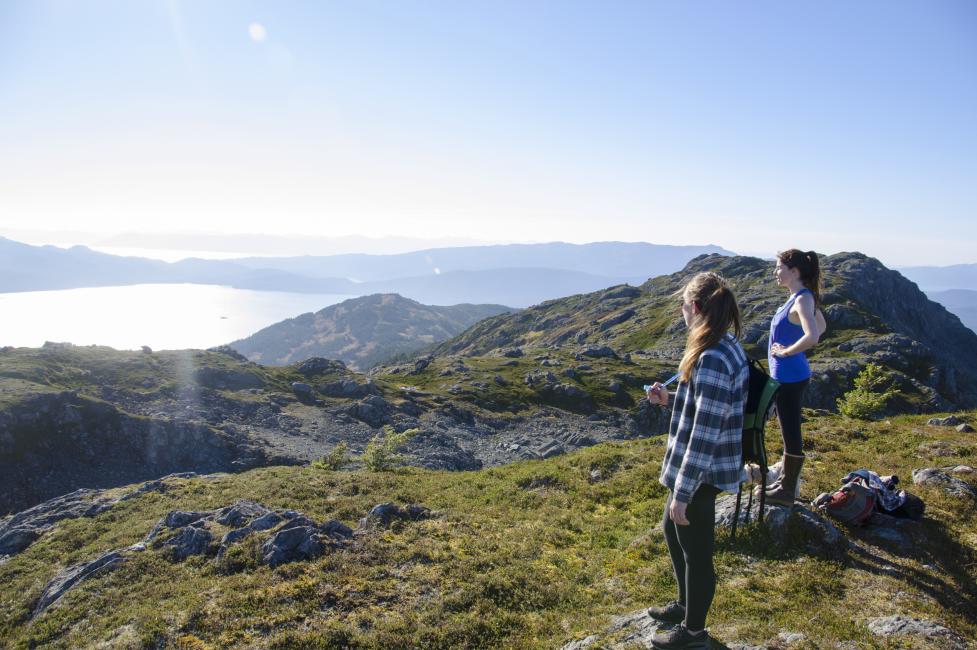
Five individuals died in the Tongass National Forest around Juneau during the summer of 2025. As of June 25, 2026, at least four rescues have been launched. It's a stark reminder of how dangerous Alaska’s stunning outdoors can be. Please note that while Juneau’s trails are beautiful, they are also part of Alaska’s wild landscape. Weather can change quickly, terrain can be steep or slippery, and even experienced hikers can run into unexpected challenges. Rescues can be difficult in rugged or remote areas, so plan ahead before you go.
The Tongass is our closest neighbor, a forested mountain wall backstopping the east/northeast edges of the City & Borough of Juneau. Our 250 miles of trail include a combination of steep, rocky terrain, thick forest, and underbrush that can easily trip or confuse hikers; venturing off-trail to observe beautiful mosses can end with a fall into a deep, rocky ravine. Glaciers are constantly moving rivers of ice punctuated with slippery-edged moulins, and crevasses that are frequently hidden under a bridge of snow.
While Juneau is home to dozens of easy and moderate trails, it also attracts outdoor types who are looking for a more adventurous day hike or backpacking trip. There are plenty of opportunities for hikers of all skill levels to get up close and personal with the area’s mountains, forests, meadows, and mining ruins. You’ll likely spot more wildlife than you can shake a field guide at it. Trails range from fairly flat wheelchair- and stroller-accessible nature walks to strenuous uphill treks. With such a varied selection, hiking in Juneau truly lets you choose your own adventure.
How do locals and visitors stay safe enjoying and exploring such an unforgiving place? Here is some sound advice, especially for our backcountry areas:
Before heading out:
- Know your limits. Choose a trail that matches your group’s fitness, experience, and comfort with uneven terrain. Plan a safe route and if you want to experience the ice on one of our glaciers, hire a qualified guide and go with a small group, as you’ll get both the gear you need and expert advice.
- Know your route. Use a trail map or local hiking guide, check current trail conditions ( like this one on Facebook), and stay on designated trails. What you planned as a short hike can turn into an overnight on a mountain if you’re injured, and you’ll need food, water, and warm clothing.
- Watch the weather. Sunshine can turn to rain, fog, or low visibility quickly. Be prepared to turn around if conditions change.
- Let friends and/or family know your intended route and expected time back so they can alert authorities if you’re late.
- Bring the basics. Carry water, snacks, warm layers, rain gear, a charged phone, and a small first-aid kit. A backup battery is also a good idea.
- Check local trail reports, and stay on designated trails. Charge your phone and consider a backup energy pack. For extended hikes and backpacking, consider a satellite phone, as there may not be cell service in many backcountry areas.
- Hike with a buddy when possible and be bear aware.
Finally, remember that the wild areas and animals of Alaska, including the Tongass National Forest, are just that – wild. Combined with unpredictable weather and a variety of terrain, danger is closer than you may think and help can be hours away. When in unfamiliar territory, stick with safety! There is no shame in turning around. If a trail is tougher, wetter, steeper, or more exposed than expected, make the safe choice and head back. Read more information on hiking in Juneau here.

Author: Travel Juneau
One of the amazing members of the Travel Juneau staff spent days and days researching and writing this ridiculously awesome post without even stopping for a sip of water or a moment of shut eye. That's okay, we love our visitors so much we feel it was worth it. We hope you enjoy!